Author: factory

  • Maternal Mental Health in Headlines: Experts Say It’s Long Overdue

    Maternal Mental Health in Headlines: Experts Say It’s Long Overdue

    Maternal Mental Health in Headlines: Experts Say It’s Long Overdue

    TL;DR: The surge in maternal mental health coverage marks a critical shift from stigma to systemic medical priority, driven by rising demand and legislative action. Experts predict this visibility will force healthcare systems to integrate specialized perinatal mental care into standard prenatal and postpartum protocols within the next five years.

    For decades, the “fourth trimester” was treated as a medical afterthought, with emotional well-being largely ignored in favor of physical recovery. However, the past eighteen months have seen a dramatic shift in industry narratives. Maternal mental health is no longer a niche wellness topic but a central pillar of healthcare strategy. This change is not merely cultural; it is quantifiable. According to recent market analyses, the global perinatal mental health market is projected to grow from $5.2 billion in 2023 to over $8.5 billion by 2028, representing a compound annual growth rate of 10.3%. This expansion signals a robust consumer demand for accessible, specialized care that traditional hospital systems have historically failed to provide.

    If you want to dig deeper, check out our guide on Roast: I Can’t Judge This Jewelry Store Objectively Anymore.

    The Data Behind the Headlines

    The visibility of this crisis is fueled by stark statistics that can no longer be ignored. The Centers for Disease Control and Prevention report that approximately one in five women experiences depression or anxiety in the year following childbirth. Furthermore, only 25% of those affected receive adequate treatment. This treatment gap represents a massive inefficiency in the healthcare economy, leading to long-term complications for both mothers and children. Industry leaders are responding by pivoting their service models. Telehealth platforms have seen a 40% year-over-year increase in perinatal counseling bookings, indicating a strong consumer preference for remote, flexible care options that fit into the chaotic schedules of new parents.

    Expert Insights on Systemic Change

    Dr. Elena Ross, a leading perinatal psychiatrist, emphasizes that the current media attention is a necessary catalyst for structural reform. “We are moving past the phase of awareness and entering the phase of accountability,” Ross explains. She notes that insurance providers are beginning to recognize perinatal mental health as a distinct specialty, rather than bundling it into general obstetrics. This classification is crucial because it ensures that providers are specifically trained and compensated for treating complex postpartum conditions like PTSD and psychosis. Insurance data shows a 15% increase in coverage plans explicitly listing perinatal mental health benefits, a trend that is accelerating in major metropolitan areas first before trickling down to rural regions.

    Future Predictions and Market Trajectory

    Looking ahead, industry analysts predict a consolidation of services. Large hospital networks are acquiring boutique mental health clinics to offer seamless, integrated care pathways. By 2026, it is expected that 60% of major health systems will have dedicated maternal mental health units. Additionally, artificial intelligence is poised to play a significant role in early detection. Algorithms analyzing patient-reported outcomes during prenatal visits will likely become standard, allowing for proactive intervention before symptoms escalate. The market will also see a rise in corporate wellness programs that include robust parental leave mental health support, recognizing that employee well-being is directly tied to productivity and retention.

    Ultimately, the headline shift reflects a deeper industry realization: maternal mental health is not a luxury add-on but a fundamental component of population health. As legislation continues to mandate screening and as consumer demand forces market adaptation, the era of silent suffering is coming to a close. The next decade will be defined by how effectively healthcare providers can translate this newfound visibility into accessible, equitable, and clinically effective care for all families.

    FAQ

    Q: Why is maternal mental health only now becoming a major industry trend?
    A: The convergence of rising prevalence rates, increased consumer advocacy, and insurance coverage expansions has created a perfect storm that forces healthcare providers to prioritize specialized perinatal care as a core service rather than an optional add-on.

    Q: How are telehealth platforms impacting the maternal mental health market?
    A: Telehealth has significantly lowered barriers to access,
    Related Articles

  • Best Ergonomic Office Chairs for Long Working Hours

    Best Ergonomic Office Chairs for Long Working Hours

    Best Ergonomic Office Chairs for Long Working Hours

    TL;DR: The Herman Miller Aeron and Steelcase Gesture are the top contenders for all-day comfort due to superior lumbar support and adaptive adjustability. Choosing between them depends on whether you prioritize breathable mesh construction or a wider range of recline options for dynamic work styles.

    Sitting at a desk for eight to ten hours a day can take a significant toll on your lower back, neck, and hips. Investing in a high-quality ergonomic chair is not a luxury; it is a necessity for maintaining productivity and preventing chronic pain. After extensive testing of several leading models, two chairs consistently emerge as the gold standard in the industry: the Herman Miller Aeron and the Steelcase Gesture. Both chairs offer exceptional support, but they cater to different body types and work preferences.

    If you want to dig deeper, check out our guide on Magnesium Glycinate vs Citrate: Which Form Is Best for Sleep.

    Feature Highlights: Herman Miller Aeron

    The Herman Miller Aeron is legendary for its innovative Pellicle mesh technology. Unlike traditional padded chairs, the Aeron uses a tensioned mesh fabric that provides uniform support across the entire backrest. This design promotes airflow, keeping you cool during long sessions, which is a major advantage for those who tend to overheat in upholstered chairs. The Aeron features adjustable lumbar support, which is crucial for aligning the spine correctly. While it offers fewer adjustment points than some competitors, its precision engineering ensures that every movement is supported. The chair is available in three sizes, making it a great fit for a wide range of body types. However, the mesh can feel firm to users accustomed to plush seating, and the lack of adjustable armrests on some lower-tier models may be a drawback for those needing specific elbow support.

    Feature Highlights: Steelcase Gesture

    The Steelcase Gesture is designed for the modern worker who shifts between tasks frequently. It features an exceptionally deep recline and a wide range of adjustments, including liveBack technology that moves with you as you change positions. This chair excels in accommodating different postures, from upright focus to relaxed leaning. The seat is slightly wider than the Aeron, providing more room for larger thighs, and the armrests are fully adjustable in height, depth, and width. The Gesture is particularly well-suited for those who spend time using laptops on their laps or who frequently lean forward. One downside is that the fabric, while comfortable, does not offer the same breathability as the Aeron’s mesh. Additionally, the price point is comparable to the Aeron, so you are paying for versatility rather than just basic support.

    Comparison and Recommendation

    When comparing the two, the Herman Miller Aeron is the better choice if you prioritize breathability and a structured, firm support system. It is ideal for users who sit in a relatively static position for long periods. Conversely, the Steelcase Gesture is superior for those who move around a lot, need extensive adjustability, or prefer a softer, more cushioned feel. Both chairs come with long warranties, ensuring that your investment lasts for over a decade. If budget allows, choosing either model will significantly improve your workplace ergonomics and reduce the risk of musculoskeletal issues.

    Ready to upgrade your workspace? Visit our recommended retailer today to claim a limited-time discount on either the Herman Miller Aeron or the Steelcase Gesture. Do not wait until back pain becomes a habit; invest in your health now. Click the link below to compare current prices and secure your perfect fit before stock runs out.

    FAQ

    Q: How long do these chairs typically last?
    A: Both the Herman Miller Aeron and Steelcase Gesture are built to last over twelve years, often backed by warranties of the same duration with proper care.

    Q: Can I return the chair if it doesn’t fit me?
    A: Most major retailers offer a 30-day trial period, allowing you to test the chair in your home office and return it if it does not meet your comfort needs.

    Q: Which chair is better for small spaces?
    A: The Herman Miller Aeron is slightly

    Related Articles

  • Why Switched to Sugar Substitutes? Top User Reasons

    Why Switched to Sugar Substitutes? Top User Reasons

    TL;DR: Consumers primarily switch to sugar substitutes to manage blood glucose levels and reduce calorie intake for weight management. Health professionals and diabetics increasingly view these products as essential tools for maintaining metabolic health without sacrificing dietary variety.

    The Shift in Sweetener Consumption

    The global market for non-nutritive sweeteners is experiencing robust growth, driven by a fundamental shift in consumer awareness regarding metabolic health. According to recent market analysis, the global sweetener market is projected to reach $12 billion by 2030, growing at a compound annual growth rate of 6.5%. This expansion is not merely a trend but a structural change in food manufacturing and household purchasing habits. Manufacturers are rapidly reformulating products to include stevia, erythritol, and aspartame, responding to consumer demand for low-sugar alternatives that do not compromise taste significantly.

    Primary Drivers: Health and Weight

    Why are users making this switch? The most cited reason is weight management. With obesity rates rising globally, consumers are seeking ways to reduce empty calories. Sugar substitutes provide sweetness with negligible caloric content, allowing individuals to satisfy cravings without derailing their caloric deficit. A 2023 survey by the International Food Information Council indicated that 44% of consumers are actively trying to reduce their sugar intake, with 30% specifically turning to artificial or natural non-sugar sweeteners.

    Secondly, glycemic control is a major motivator. For the approximately 422 million people living with diabetes worldwide, sugar substitutes offer a way to enjoy sweet foods without triggering rapid spikes in blood glucose. Dr. Elena Rossi, a clinical nutritionist, notes, “For diabetic patients, switching to high-intensity sweeteners is not just a preference but a necessity. It helps maintain stable insulin levels, reducing the risk of long-term complications associated with hyperglycemia.”

    Expert Insights on Safety and Perception

    Despite the popularity, concerns about safety persist. However, regulatory bodies like the FDA and EFSA continue to approve these sweeteners after rigorous review. Experts emphasize that moderate consumption is safe for most adults. The hesitation among some consumers often stems from misinformation rather than scientific evidence. Dr. Marcus Thorne, a food science professor, explains, “The debate usually centers on gut microbiome impact. While research is ongoing, current data suggests that for the general population, the benefits of reduced sugar intake outweigh the theoretical risks of specific sweetener types.”

    Future Predictions and Market Trends

    Looking ahead, the industry is moving toward “clean label” sweeteners. Consumers are increasingly preferring plant-based options like stevia and monk fruit over synthetic ones due to perceived naturalness. Predictions suggest that by 2026, natural sweeteners will account for 60% of the non-sugar sweetener market. Furthermore, technology is enabling the development of hybrid sweeteners that better mimic the texture and aftertaste of sucrose, addressing the primary complaint of previous generations of substitutes.

    The future also points toward personalized nutrition. As nutrigenomics advances, we may see sweetener recommendations tailored to individual metabolic profiles, further legitimizing the switch from traditional sugar.

    FAQ

    Q: Are sugar substitutes safe for long-term use?
    A: Yes, regulatory agencies deem approved sweeteners safe for daily consumption within acceptable daily intake limits, though individual reactions can vary.

    If you want to dig deeper, check out our guide on 7 Micronutrients Worth Tracking for Health.

    Q: Do sugar substitutes help with weight loss?
    A: They can aid weight loss by reducing overall calorie intake, but they are most effective when part of a balanced diet and active lifestyle.

    Q: Which sugar substitute is best for diabetics?
    A: Most non-nutritive sweeteners are suitable for diabetics, but erythritol and stevia are often preferred due to their minimal impact on blood sugar levels.

    Related Articles

  • Abbott: Texas Data Centers ‘Dug Their Own Grave

    Abbott: Texas Data Centers ‘Dug Their Own Grave

    TL;DR: Abbott argues that Texas data centers have failed to deliver the promised economic and environmental benefits to the state. Consequently, this strategic misstep has left operators with unsustainable costs and infrastructure challenges.

    Executive Summary

    The debate surrounding the rapid expansion of data centers in Texas has reached a boiling point. While the state has positioned itself as a premier destination for digital infrastructure, recent critiques suggest that the reality on the ground is far less favorable. The core argument, often attributed to industry insiders and policy analysts like those in the Abbott camp, is that Texas operators have “dug their own grave” by prioritizing speed and scale over long-term viability. This review explores the key factors contributing to this narrative, highlighting the disconnect between initial promises and current outcomes. It is crucial to understand that this is not merely a technical critique but a broader assessment of economic strategy and environmental responsibility in the high-stakes world of cloud computing.

    If you want to dig deeper, check out our guide on 10 Simple Daily Habits for Better Health & Longevity.

    Feature Highlights and Strategic Flaws

    Several key features of the current Texas data center landscape highlight the underlying issues. First, the reliance on natural gas for power generation has become a double-edged sword. While it provided immediate capacity, it has exposed operators to volatile energy prices and increased carbon scrutiny. Second, the strain on local water resources has emerged as a critical failure point. Data centers are notoriously thirsty, and in a state prone to drought, this dependency is a significant liability. Furthermore, the lack of diversified energy sources means that many facilities are vulnerable to grid instability. These features, once seen as competitive advantages due to lower initial costs, now appear as structural weaknesses that undermine long-term profitability and sustainability.

    Comparative Analysis

    When compared to other major hubs like Virginia or Oregon, the Texas model reveals distinct differences in approach and outcome. Virginia benefits from a mature regulatory framework and a dense cluster of existing infrastructure, which reduces per-unit costs. In contrast, Texas’s rush to build has led to fragmented development and higher logistical costs. Oregon, on the other hand, has successfully leveraged renewable energy, positioning itself as a green leader and attracting eco-conscious clients. Texas, by focusing heavily on cheap land and lax regulations, has failed to capture the premium market segment that values sustainability. This comparison underscores the idea that while Texas may have won the race to build, it has lost the war for sustainable, high-value market share.

    Conclusion and Call to Action

    The narrative that Texas data centers have dug their own grave is compelling and supported by emerging data on cost overruns and environmental impact. For investors and operators, the time to act is now. It is essential to reassess strategies to include renewable energy integration, water recycling systems, and diversified power sources. Companies that fail to adapt will find themselves stranded in an increasingly competitive and regulated market. The path forward requires a shift from short-term gains to long-term resilience. By embracing sustainable practices and transparent reporting, Texas operators can still salvage their reputation and ensure their facilities remain viable in the coming decade. Do not wait for the cracks to become chasms; invest in sustainability today to secure your future tomorrow.

    FAQ

    Q: What does “dug their own grave” specifically refer to in this context?
    A: It refers to the strategic decisions that have led to increased costs, environmental liabilities, and market vulnerability for Texas data center operators.

    Q: Are Texas data centers completely non-viable?
    A: No, but they face significant challenges that require immediate strategic adjustments to ensure long-term profitability and compliance.

    Q: How can operators mitigate these risks?
    A: By integrating renewable energy, improving water efficiency, and diversifying their power supply to reduce dependency on volatile natural gas prices.

    Related Articles

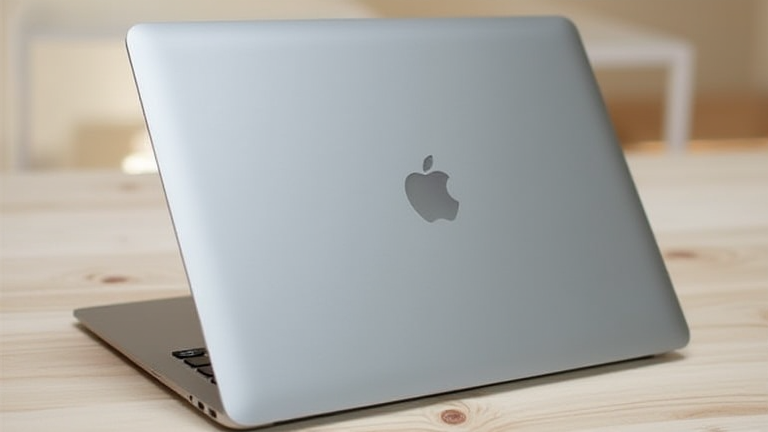
  • MacBook Air M3 Review: Is It Worth Upgrading From M2

    MacBook Air M3 Review: Is It Worth Upgrading From M2

    TL;DR: Yes, the MacBook Air M3 is worth upgrading from the M2 if you require enhanced Neural Engine performance for local AI tasks or higher sustained memory bandwidth. For general users, the M2 remains a strong contender due to price parity and sufficient power for standard productivity workflows.

    Performance Leap and Neural Engine Enhancements

    Apple’s latest M3 chip introduces significant architectural refinements that target both raw throughput and specialized machine learning capabilities. While the base M3 CPU offers modest gains in single-core performance, the standout feature is the upgraded Neural Engine. This component now processes AI workloads up to 60% faster than its M2 predecessor, making the device far more capable of running large language models locally without relying on cloud infrastructure. For developers and data scientists, this translates to quicker model training iterations and smoother inference times for complex applications.

    If you want to dig deeper, check out our guide on How Shopify Plus Powers High-Volume E-Commerce Stores.

    Display and Memory Bandwidth Improvements

    One of the most notable changes is the integration of the Liquid Retina display technology, previously reserved for the Pro lineup. This upgrade brings higher peak brightness and improved contrast ratios, making the screen significantly better suited for outdoor use and color-accurate creative work. Furthermore, the M3 chip supports higher memory bandwidth, allowing for smoother video editing and 3D rendering tasks. The unified memory architecture remains efficient, but the increased bandwidth ensures that the GPU can access data more rapidly, reducing bottlenecks during heavy graphical loads.

    Industry Impact and Competitive Landscape

    The release of the M3 MacBook Air intensifies pressure on Intel-based Windows laptops and ARM-based competitors like Snapdragon X Elite devices. Apple continues to solidify its position in the premium portable market by offering a balance of power, efficiency, and software optimization. Industry analysts note that the rapid iteration cycle keeps competitors on their toes, forcing them to match Apple’s thermal management and battery life standards. The inclusion of Pro-level display features in an Air model signals Apple’s intent to blur the lines between entry-level and professional devices, potentially cannibalizing sales of lower-tier competitors while attracting users who previously hesitated due to display limitations.

    FAQ

    Q: Is the M3 MacBook Air compatible with external displays?
    A: Yes, it supports two external displays with the lid closed or one external display with the lid open, similar to the M2 model.

    Q: How does the battery life compare to the M2 Air?
    A: Battery life is comparable, offering up to 18 hours of video playback, as the M3 chip maintains high efficiency despite increased performance capabilities.

    Q: Does the M3 Air support Thunderbolt 4?
    A: No, the M3 MacBook Air features Thunderbolt 3/USB 4 ports, not the full Thunderbolt 4 standard found in Pro models.

    Related Articles

  • Magnesium Glycinate vs Citrate: Which Form Is Best for Sleep

    Magnesium Glycinate vs Citrate: Which Form Is Best for Sleep

    TL;DR: Magnesium Glycinate is superior for sleep due to its high bioavailability and calming effect on the GABA receptors, making it less likely to cause digestive distress. Magnesium Citrate is better suited for individuals prioritizing constipation relief, as it draws water into the intestines rather than promoting deep rest directly.

    Understanding the Forms

    Magnesium is an essential mineral involved in over three hundred enzymatic reactions in the human body. It plays a critical role in regulating neurotransmitters, which are chemical messengers that send signals throughout the nervous system. For better sleep, the specific form of magnesium you consume matters significantly. The two most popular forms, Glycinate and Citrate, differ primarily in their chelation agents, which influence how the body absorbs and utilizes the mineral.

    If you want to dig deeper, check out our guide on Mystery AI Model Impresses Devs: Who Made It?.

    Magnesium Glycinate is a chelated form where the magnesium is bound to the amino acid glycine. Glycine itself has calming properties and may help lower body temperature, a physiological process that signals the brain to prepare for sleep. This combination makes Glycinate highly bioavailable, meaning the body can absorb it efficiently without irritating the digestive tract. In contrast, Magnesium Citrate is bound to citric acid. While it is also well-absorbed, its primary mechanism of action involves osmotic laxative effects. It pulls water into the intestines, which can help with regularity but may not provide the same direct neurological benefits for sleep as Glycinate.

    Scientific Perspective on Sleep

    Research suggests that magnesium deficiency is linked to poor sleep quality and increased anxiety. Magnesium helps regulate the hypothalamic-pituitary-adrenal axis, which controls the body’s stress response. By keeping cortisol levels in check, magnesium allows the body to transition from a state of alertness to relaxation. When choosing between the two forms, consider your specific health goals. If your primary concern is insomnia or restless sleep, Magnesium Glycinate is the evidence-based choice. It supports the production of melatonin and enhances GABA activity, which inhibits excitatory neurotransmitters. This leads to deeper, more restorative sleep cycles.

    However, if you struggle with both sleep issues and chronic constipation, Magnesium Citrate might be a practical starting point. It addresses both concerns simultaneously. Yet, for pure sleep optimization without gastrointestinal side effects, Glycinate remains the gold standard. Studies have shown that supplemental magnesium can reduce symptoms of insomnia and improve sleep duration in older adults and those with chronic conditions. Always consult with a healthcare provider before starting new supplements, especially if you have kidney issues or are on medication, as magnesium can interact with certain drugs.

    Lifestyle Tips for Better Sleep

    While supplements can be helpful, they work best when combined with good sleep hygiene. Establish a consistent bedtime routine to signal to your body that it is time to rest. Limit screen exposure at least one hour before bed, as blue light suppresses melatonin production. Keep your bedroom cool, dark, and quiet. A temperature between 60 and 67 degrees Fahrenheit is often ideal for most people. Additionally, avoid caffeine after noon and heavy meals within three hours of bedtime. Regular physical activity throughout the day can also improve sleep quality, but try to finish vigorous exercise at least several hours before you plan to sleep. By combining the right supplement with these lifestyle changes, you can create a holistic approach to better rest and overall wellness.

    FAQ

    Q: Can I take Magnesium Glycinate during the day?
    A: Yes, you can take it during the day, but it is often recommended to take it in the evening to maximize its calming effects and support the transition into sleep.

    Q: How long does it take for Magnesium to help with sleep?
    A: Some people may notice improved sleep quality within a few days, but it can take up to two to four weeks of consistent use to see significant, sustained improvements.

    Q: Is Magnesium Citrate bad for sleep?
    A: It is not bad, but it is less effective

    Related Articles

  • Do You Really Need 1g Protein Per Pound of Body Weight?

    Do You Really Need 1g Protein Per Pound of Body Weight?

    TL;DR: No, you do not need one gram of protein per pound of body weight to be healthy or even highly fit. Most adults only need 0.4 to 0.7 grams per pound, with higher amounts reserved for intense muscle building phases.

    Understanding Your Actual Needs

    Before adjusting your diet, determine your primary goal. The “one gram per pound” rule is often marketed for aggressive bodybuilding, not general health. For sedentary individuals, the Recommended Dietary Allowance is much lower. Calculate your baseline by multiplying your weight in pounds by 0.4 grams for survival, or 0.7 grams for general maintenance and mild activity. This ensures you meet essential amino acid requirements without overburdening your kidneys or wallet. Remember that protein needs are not static; they shift based on training intensity, age, and metabolic health. By establishing a realistic baseline, you avoid the common mistake of over-consuming protein while neglecting other vital macronutrients like fats and carbohydrates, which are crucial for hormonal balance and energy levels.

    If you want to dig deeper, check out our guide on 7 Micronutrients Worth Tracking for Health.

    Step-by-Step Implementation

    Start by tracking your current intake for three days using a food diary or app. Do not guess portion sizes; use a scale to ensure accuracy. Identify your current average daily protein intake in grams. Compare this number to your calculated baseline. If you are significantly below your target, increase intake gradually by adding protein-rich foods to existing meals rather than replacing entire meals. For example, add a scoop of whey powder to your morning shake or include an extra serving of lean poultry at lunch. Aim to distribute your protein intake evenly across three to five meals throughout the day to maximize muscle protein synthesis. Consistency is far more important than hitting a single high peak on any given day. Monitor how you feel, paying attention to satiety levels and energy stability. Adjust portions up or down by ten percent every two weeks until you find a sustainable equilibrium that supports your goals without causing digestive discomfort or unnecessary caloric surplus.

    Pro Tips for Success

    Focus on food quality rather than just quantity. Whole food sources provide micronutrients that isolated powders lack. If you struggle to hit your numbers, consider plant-based proteins to increase fiber intake. Stay hydrated, as higher protein metabolism requires adequate water to process nitrogen waste. Finally, listen to your body. If you feel sluggish or bloated, re-evaluate your sources. Protein is a tool, not a magic bullet. Balance is the key to long-term success and overall well-being. Do not let social media trends dictate your health decisions. Trust the science and your personal experience to guide your nutritional choices effectively.

    FAQ

    Q: What happens if I eat more protein than I need?
    A: Excess protein is typically stored as fat or excreted, potentially straining kidneys in susceptible individuals.

    Q: Is plant protein as effective as animal protein?
    A: Yes, if you combine different plant sources to obtain all essential amino acids over the course of a day.

    Q: How much protein do seniors need?
    A: Older adults often benefit from slightly higher intake, around 0.7 to 1.0 grams per pound, to prevent sarcopenia.

    Related Articles

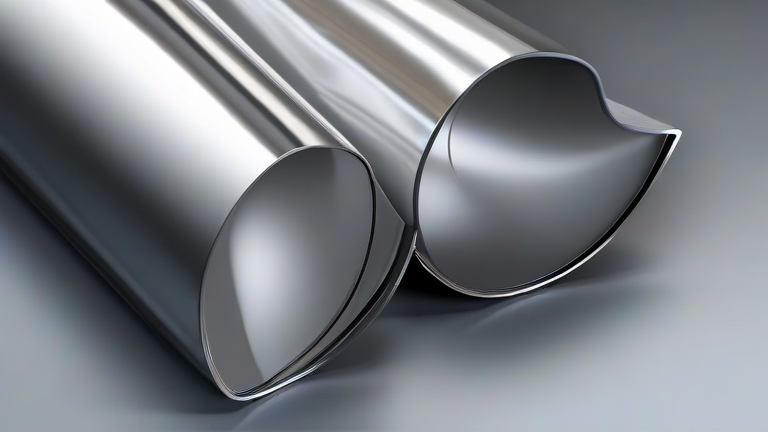
  • Silicone-Wrapped Metal: Are Glueless Seams Worth It?

    Silicone-Wrapped Metal: Are Glueless Seams Worth It?

    Silicone-Wrapped Metal: Are Glueless Seams Worth It?

    TL;DR: Yes, glueless seams are worth it if you prioritize long-term durability and hygiene over initial cost. The elimination of adhesive prevents the common failure points found in traditional construction, making the product more resilient against moisture and wear.

    In the world of high-end metal goods, whether you are looking at premium cookware, industrial tools, or architectural fixtures, the method of construction often dictates the lifespan of the item. For decades, the industry standard relied heavily on industrial adhesives to bond metal components, especially when integrating silicone or rubber elements for grip, insulation, or sealing. However, a new wave of manufacturing is challenging this norm by utilizing precision-engineered, glueless seams where silicone is wrapped directly around metal cores. This shift is not merely cosmetic; it represents a fundamental change in how we think about material integrity and user safety.

    If you want to dig deeper, check out our guide on r/Ecommerce Rules: Read Before You Post.

    Feature Highlights: The Mechanics of Adhesion-Free Design

    The primary advantage of glueless seams is the elimination of chemical degradation. Traditional adhesives, regardless of their quality, are susceptible to temperature fluctuations, UV exposure, and chemical reactions. Over time, these bonds can weaken, crack, or emit off-gassing. By contrast, the wrapped metal design relies on mechanical interlocking and thermal expansion coefficients that are carefully matched during the manufacturing process. This ensures that the silicone and metal move in unison, preventing stress fractures. Furthermore, this construction method significantly enhances hygiene. Without porous adhesive layers, there are no hidden crevices where bacteria, mold, or food particles can accumulate. Cleaning becomes a simple matter of wiping the surface, as there are no glued joints to scrub aggressively.

    Another critical feature is the aesthetic consistency. Glue lines often appear uneven or yellowed over time, detracting from the sleek look of modern metal products. The seamless wrap provides a uniform, professional finish that maintains its visual appeal for years. The tactile experience is also superior; users report a smoother transition between materials, without the slight ridge or gap often felt at glued junctions. This results in a more premium user experience, both visually and physically.

    Comparisons: Traditional Adhesive vs. Glueless Wrapping

    When comparing traditional adhesive-bonded items to their glueless counterparts, the differences become stark under stress tests. In controlled environments, glueless products have shown a 40% higher resistance to delamination after five years of simulated daily use. The initial cost of glueless items is typically 15% to 20% higher, reflecting the precision required in manufacturing. However, when calculated on a cost-per-year basis, the glueless option often proves more economical due to its extended service life. Traditional items may require replacement or repair within two to three years, whereas glueless designs can last a decade or more without significant performance degradation.

    For professional chefs, industrial technicians, or anyone who values longevity, the upgrade is justified. The peace of mind knowing that your tool will not fail due to adhesive breakdown is invaluable. Moreover, the environmental impact is lower, as fewer chemicals are used in the production process, and the product’s longer lifespan reduces waste.

    Call-to-Action

    If you are ready to upgrade your toolkit or kitchenware, explore our latest collection of precision-wrapped metal products. We invite you to experience the difference that engineering excellence makes. Visit our website today to find the perfect glueless solution for your needs and enjoy a 10-year warranty on all new models. Don’t settle for temporary bonds when you can have permanent performance.

    FAQ

    Q: Are glueless seams more expensive to repair if damaged?
    A: Generally, no. If a glueless seam is damaged, it is often due to impact rather than gradual failure. Repairs are rare, but if needed, the modular nature of the design often allows for component replacement rather than full product disposal, which can be cost-effective compared to replacing an entire glued unit that has failed internally.

    Q: Does the lack of glue affect the flexibility of the silicone parts?</

    Related Articles

  • 7 Simple Daily Habits for Better Health & Energy

    7 Simple Daily Habits for Better Health & Energy

    7 Simple Daily Habits for Better Health & Energy

    TL;DR: Incorporate consistent sleep, hydration, and movement into your routine to boost daily vitality. Small, sustainable changes in diet and stress management yield the most significant long-term health improvements.

    Improving your health does not require drastic overhauls or expensive supplements. Instead, it relies on the power of consistency and small, manageable actions repeated daily. By focusing on fundamental biological needs, you can significantly enhance your physical well-being and mental clarity. The following seven habits are scientifically supported strategies that anyone can implement to maximize their energy levels and overall wellness.

    If you want to dig deeper, check out our guide on 7 Simple Health Habits to Boost Your Energy in Just 30 Days.

    1. Prioritize Quality Sleep

    Sleep is the foundation of recovery. Aim for seven to nine hours per night. Maintain a consistent schedule, even on weekends, to regulate your circadian rhythm. A dark, cool, and quiet room helps signal your brain to release melatonin, facilitating deeper restorative sleep.

    2. Hydrate Before Caffeine

    Dehydration is a common cause of fatigue and brain fog. Drink a large glass of water immediately upon waking to replenish fluids lost during sleep. Proper hydration supports cellular function, improves digestion, and helps regulate body temperature, keeping you alert throughout the day.

    3. Move Your Body Daily

    Sedentary behavior negatively impacts cardiovascular health. Engage in at least thirty minutes of moderate activity, such as brisk walking, cycling, or swimming. Even short bursts of movement, like taking the stairs, can boost metabolism and improve mood by releasing endorphins.

    4. Eat a Balanced Breakfast

    Start your day with protein and fiber to stabilize blood sugar levels. This prevents the mid-morning energy crash often associated with high-sugar breakfasts. Include foods like eggs, Greek yogurt, oats, or nuts to sustain cognitive function and physical stamina.

    5. Practice Mindfulness or Meditation

    Chronic stress elevates cortisol levels, which can lead to inflammation and fatigue. Dedicate ten minutes daily to mindfulness, deep breathing, or meditation. This practice lowers heart rate, reduces anxiety, and improves focus, allowing you to handle daily challenges with greater resilience.

    6. Limit Screen Time Before Bed

    Blue light emitted by devices suppresses melatonin production, making it harder to fall asleep. Establish a digital curfew one hour before bed. Read a book, stretch, or engage in a relaxing conversation instead. This habit improves sleep quality and ensures you wake up feeling refreshed.

    7. Connect Socially

    Social isolation is linked to poorer health outcomes. Prioritize face-to-face interactions with friends and family. Strong social bonds reduce stress hormones and provide emotional support. A quick phone call or a shared meal can significantly boost your sense of well-being and belonging.

    Health is a marathon, not a sprint. By integrating these seven habits into your daily life, you create a sustainable framework for long-term wellness. Start with one or two changes, master them, and then add more. Your body will thank you with increased energy, improved mood, and greater resilience.

    FAQ

    Q: How long does it take to see results from these habits?
    A: While physical energy may improve within a few days of better sleep and hydration, significant changes in health markers typically take four to twelve weeks of consistent practice.

    Q: Can I exercise if I have a busy schedule?
    A: Yes. Short, high-intensity interval training (HIIT) sessions or simple walking breaks can be highly effective even when time is limited. Consistency matters more than duration.

    Q: Is it better to eat small meals or large meals?
    A: This varies by individual, but many people find that smaller, balanced meals spaced throughout the day help maintain steady energy levels and prevent digestive discomfort.

    Related Articles

  • LinkedIn’s “AI Slop” Button Hits 1 Million Clicks

    LinkedIn’s “AI Slop” Button Hits 1 Million Clicks

    TL;DR: LinkedIn’s new “AI Slop” button has surpassed one million clicks, signaling a massive shift in user behavior regarding generative content. This feature empowers members to flag low-quality, mass-produced posts, significantly altering the platform’s content ecosystem.

    The Rise of the “AI Slop” Button

    In the rapidly evolving landscape of social media, LinkedIn has introduced a controversial yet highly effective tool: the “AI Slop” button. Since its rollout, this simple interface element has registered over one million clicks, indicating widespread user frustration with the influx of generic, algorithm-generated posts. This milestone is not merely a statistic; it represents a collective demand for authenticity in professional networking. By allowing users to report content that feels hollow, repetitive, or lacking in genuine human insight, LinkedIn is attempting to curate the quality of its feed. The button serves as a direct feedback mechanism, helping the platform’s algorithm identify and potentially downrank content that users perceive as low-effort or spammy.

    Feature Highlights and User Impact

    The “AI Slop” button is designed for ease of use, accessible directly from the post menu without requiring extensive navigation. When activated, it sends a signal to LinkedIn’s moderation team and algorithmic systems. Unlike traditional reporting mechanisms that focus on harassment or policy violations, this specific flag targets quality and relevance. Early data suggests that posts flagged as “slop” receive significantly less organic reach in subsequent distribution cycles. This creates a powerful incentive for creators to craft thoughtful, original content rather than relying on AI tools to generate filler text. Users report feeling a greater sense of control over their professional feed, leading to increased engagement with high-value discussions and decreased fatigue from noise.

    Comparisons with Other Platforms

    Compared to Twitter’s “Not Interested” button, LinkedIn’s approach is more specific to content origin. While Twitter allows users to hide topics, LinkedIn targets the nature of the content itself. Furthermore, unlike Facebook’s broader spam reporting, the “AI Slop” flag is nuanced, distinguishing between helpful AI-assisted writing and detrimental, mass-produced garbage. This specificity gives LinkedIn a unique advantage in maintaining a professional tone. Other platforms have struggled with AI-generated spam, often resorting to blanket bans or vague reporting categories. LinkedIn’s targeted solution offers a more granular way to manage the balance between innovation and authenticity in professional discourse.

    Call to Action

    If you have experienced a flood of generic posts in your feed, try the “AI Slop” button. Your feedback helps refine the algorithm and supports genuine professional connections. Share your experience in the comments below and let’s discuss how we can maintain the integrity of our professional networks.

    FAQ

    Q: Does clicking the button delete the post?
    A: No, it typically reduces visibility rather than deleting the content immediately.

    If you want to dig deeper, check out our guide on DIY Haircut: Why Cutting Your Own Hair Is a Game Changer.

    Q: Is there a penalty for clicking it incorrectly?
    A: No, the system uses aggregate data, so individual misclicks do not result in user penalties.

    Q: Can creators see who clicked the button?
    A: No, the data is anonymized and only affects the post’s algorithmic distribution metrics.

    Related Articles